Ocean Sciences Meeting 2026, Glasgow
University of East Anglia
Thanks to the Challenger Society for Marine Science Travel Award, I had the chance to attend the Ocean Sciences Meeting (OSM) in Glasgow earlier this year. As a PhD student in physical oceanography working on Antarctic processes, it was exciting to step out of my usual world of code and observational data and spend a week surrounded by people who care about the same remote places I do. Being in a city so far from the Southern Ocean yet filled with people talking about ice shelves and sea ice, was both slightly surreal and very motivating.

Photo 1 View of the University of Glasgow at night.
OSM felt huge at first, but the polar sessions quickly made it feel like a smaller community. I spent most of my time in talks on polar oceanography, ocean–ice interactions, and tides, often dashing between sessions to catch overlapping ones. Hearing how other groups think about ice–ocean interactions helped me see familiar problems in new ways, and I came away with several ideas I am keen to try on my own datasets. It was also reassuring to hear that many of us are grappling with similar observational challenges and uncertainties, particularly when working in regions that are difficult to access and observe.
One highlight was giving my talk on “Summertime Circulation and Water Mass Distribution in front of the Northern Larsen C Ice Shelf,” based on observations from the PICCOLO project. Sharing results that I have been quietly working on for months was both nerve-wracking and hugely rewarding. The discussion afterwards gave me concrete ideas for future analyses and helped me frame my results within the broader picture of Antarctic shelf dynamics and ice-shelf–ocean exchange.
I also presented a poster on how sea ice modulates tidal currents and water column property variability on the eastern Antarctic Peninsula. Standing by the poster sparked some of the best conversations of the week, from comparing tidal analysis methods to trading stories about keeping moorings alive under winter sea ice. These discussions were particularly helpful for thinking about ice–tide interactions and how sea ice might influence tidal propagation and current variability on the continental shelf. Those informal chats made the science feel very collaborative and reinforced that others are genuinely interested in the processes I am studying. Several people I met there have since followed up by email, opening the door to possible future collaborations.

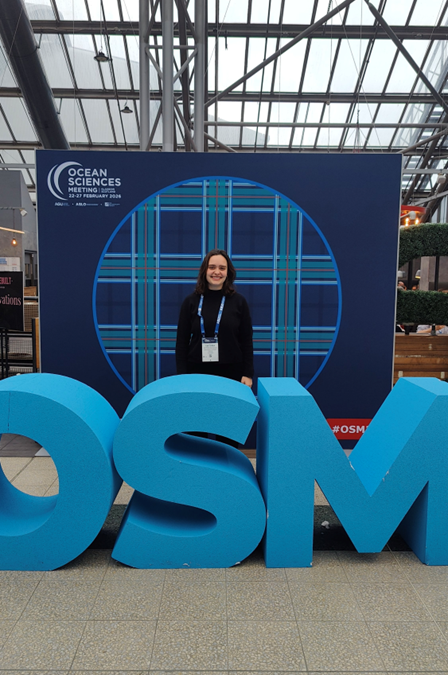
Photo 2 Standing in the conference photo booth.
Beyond the scientific sessions, the meeting also offered opportunities to connect with people working in related areas through mixers and workshops. I attended town halls on microstructure observations, which was especially interesting as it highlighted approaches and challenges to measuring small-scale turbulence and mixing in the ocean. It was valuable to hear about both the practical challenges of these measurements and the kinds of questions they can help address.
Overall, attending OSM left me feeling more connected to the wider Antarctic oceanography community and more confident about the direction of my PhD. I returned with new ideas, useful feedback on my work, and a renewed sense of enthusiasm for the research ahead. I am very grateful to the Challenger Society for making this experience possible.
Awardee Profile:
Viktoria is a PhD student in physical oceanography at the University of East Anglia, studying circulation and water mass structure on the Antarctic continental shelf. She uses a variety of observational methods, including ship-based surveys and long-term mooring measurements, to investigate how processes such as sea ice, tides, and glacial meltwater shape water properties and circulation. Her research explores how these processes vary across the Antarctic continental shelf and influence the movement and variability of water masses.
Leave a Reply